At Healthy Food for Pets, we know that like you, your pets are equally as important to us. For that reason, we have a commitment to provide pet food products that are natural, safe, high quality and maintain the happiness and well being of pets. Family is important and that is why we know pets are not merely for us to take care of, but also a part of the family.
No Recalls EVER in the over 25 years they’ve been in business
Formulated by a Holistic Veterinarian
Delivered directly to your front door
No wheat, corn gluten, soy, or dairy
No by-products, artificial flavors or colors
They have 6 warehouses, so shipping is very quick.
Every batch of pet food is tested and made in small batches.
Welcome to Healthy Food Products for Pets!
Welcome to Healthy Food Products for Pets!
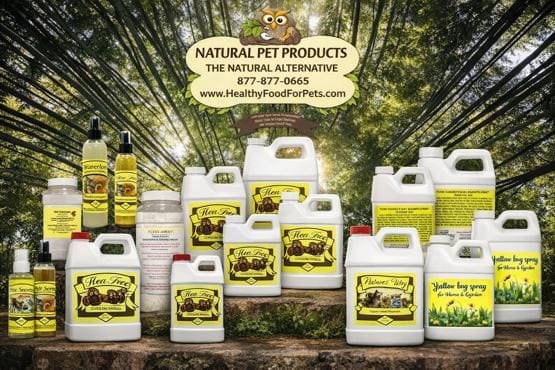
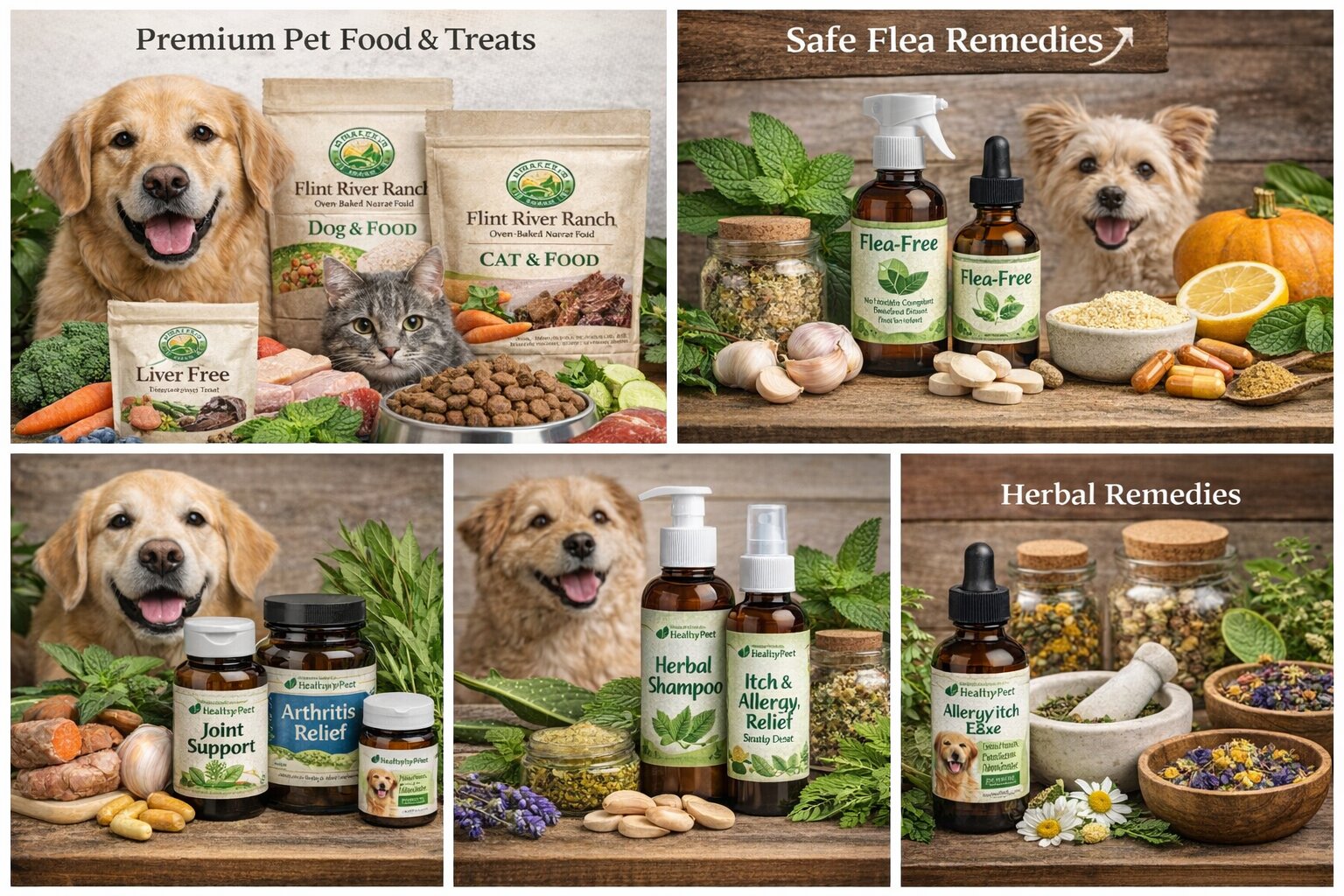
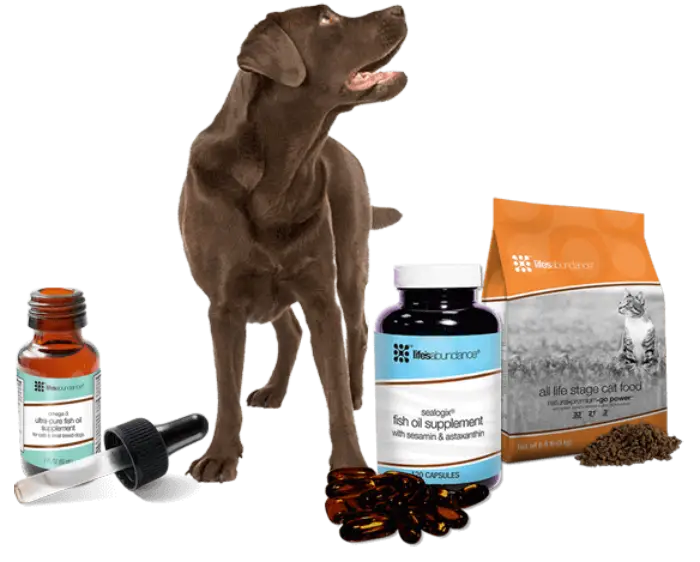
We offer high quality pet food and treats, alternative products, including safe flea remedies, digestion support, vitamin supplements, arthritic support, herbal shampoos, skin and coat products, and an assortment of herbal remedies for a variety of health issues.
Recent Blog Post Pet Articles
Here are a few Articles to help keep your pet healthy & happy!
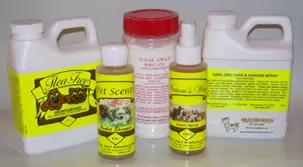
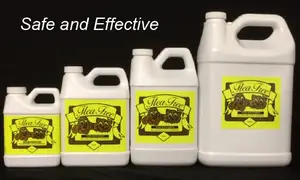
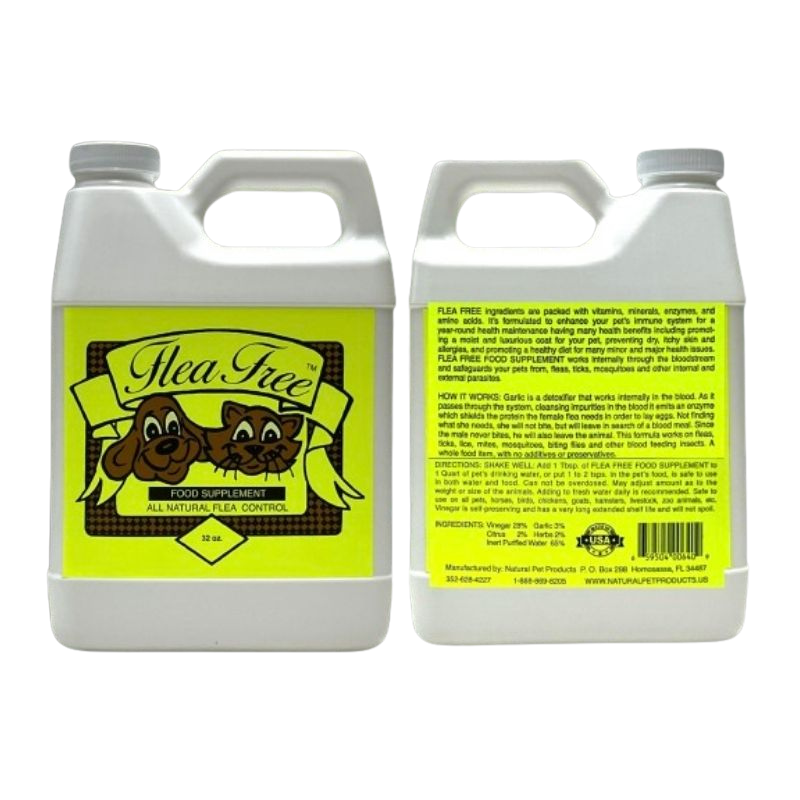
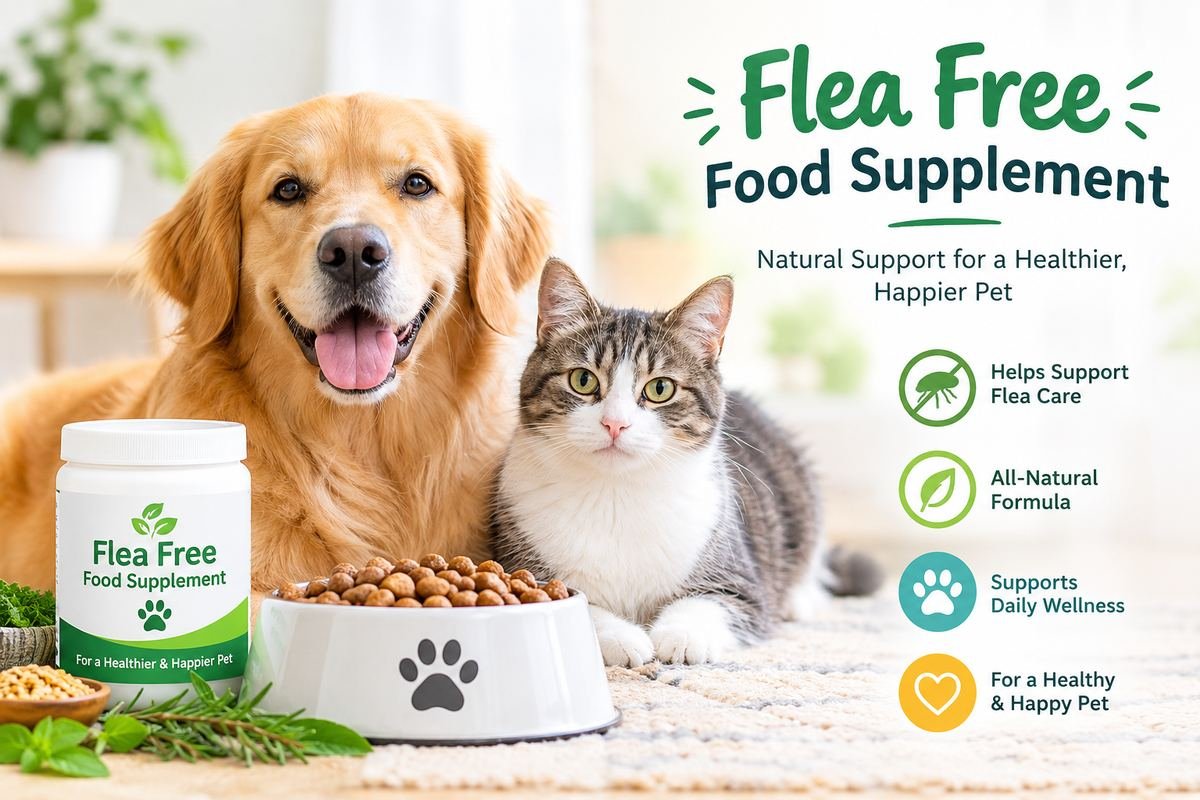
Fleas can make pets uncomfortable and leave them constantly scratching, biting, or licking their skin. For pet owners, finding a simple way to support everyday flea care is an important part of keeping dogs and cats comfortable. A flea free food supplementcan be a convenient addition to a pet’s daily routine.
Unlike topical products that are applied directly to the skin, food supplements are designed to be included in a pet’s regular food or water. Flea Free Food Supplement is available through Healthy Food for Pets and is promoted as an all-natural approach to flea and insect care.
A consistent daily routine is important when caring for pets. Along with using a suitable supplement, pet owners should regularly clean bedding, wash blankets, vacuum carpets, and check their pets for signs of fleas. Keeping the home environment clean can help reduce potential flea exposure.
When choosing a flea free food supplement, always read the product label carefully and follow the recommended directions. Every pet is different, so owners should also consider their pet’s age, species, diet, and individual needs. If your pet has an existing health condition or is taking medication, speaking with a veterinarian before introducing a new supplement is a sensible step.
At Healthy Food for Pets, you can explore pet-focused products designed to support natural, healthy pet care. A thoughtful daily routine, good nutrition, regular grooming, and appropriate flea prevention can all contribute to your pet’s overall comfort and well-being.
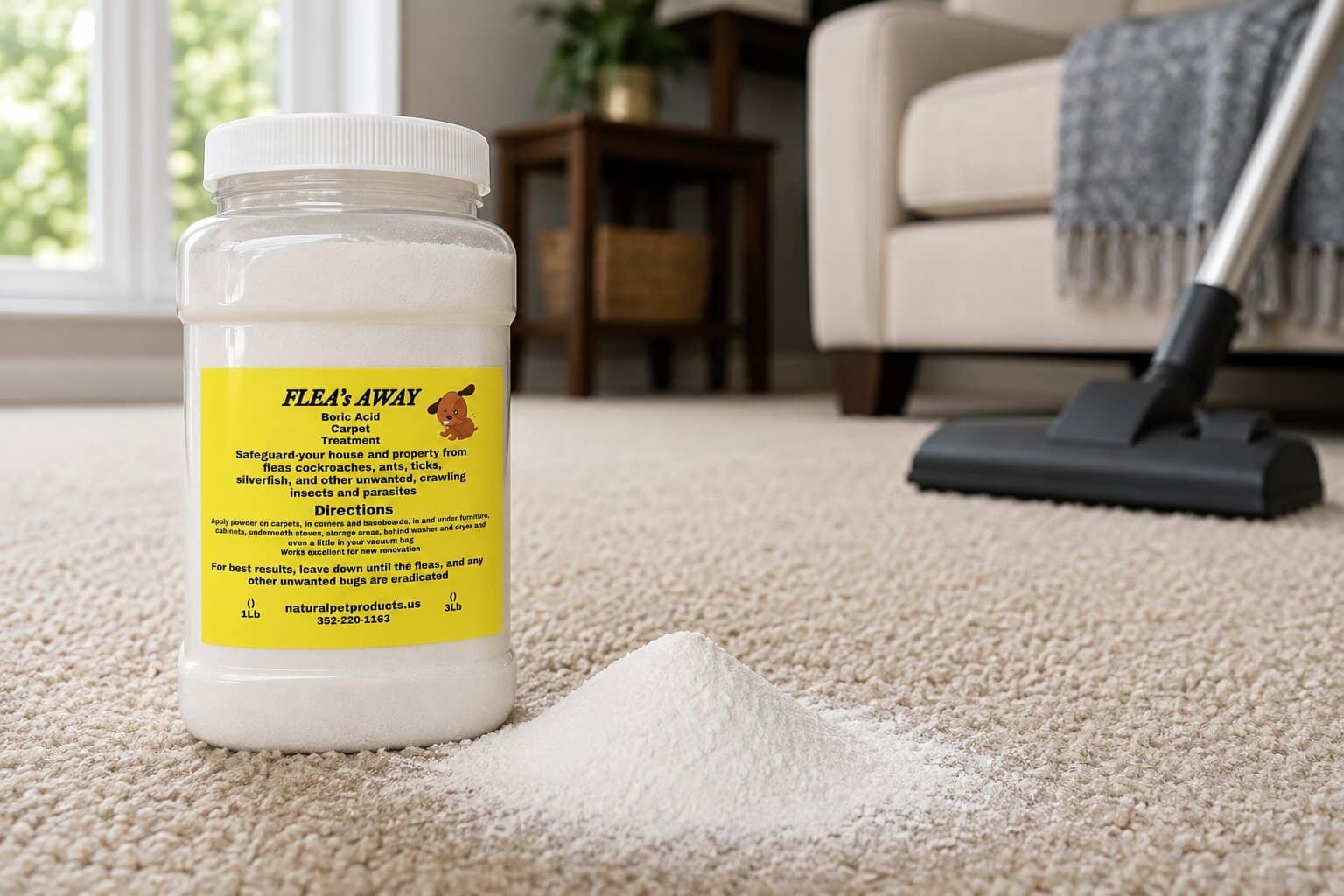
Fleas can quickly become a frustrating problem in your home, especially when they settle into carpets, rugs, and other soft surfaces. Keeping your living space clean is an important step, but fleas can be difficult to control because their eggs and larvae may remain hidden deep inside carpet fibers.
This guide explains how boric acid carpet treatment can be used as one approach to help manage flea problems in carpets. It covers how boric acid works, how to prepare the area before treatment, and important safety steps to consider when using it around pets and family members.
You will also learn about regular vacuuming, cleaning routines, and other practical ways to reduce flea activity and help prevent the problem from returning. Understanding the flea life cycle can make your cleaning efforts more effective because adult fleas are only one part of the problem.
Read this guide to learn simple, practical information about boric acid carpet treatment and how it can fit into a careful home flea-control routine.
But before this dental hygiene, things were rough. I leaned in for a scratch and her breath stopped me cold.
I brushed it off at first. Then she started chewing on one side only. Then a yellow film showed along her teeth.
I have seen dogs go through painful extractions and it broke my heart. I did not want a checkup to confirm what I already feared. So I asked around first.
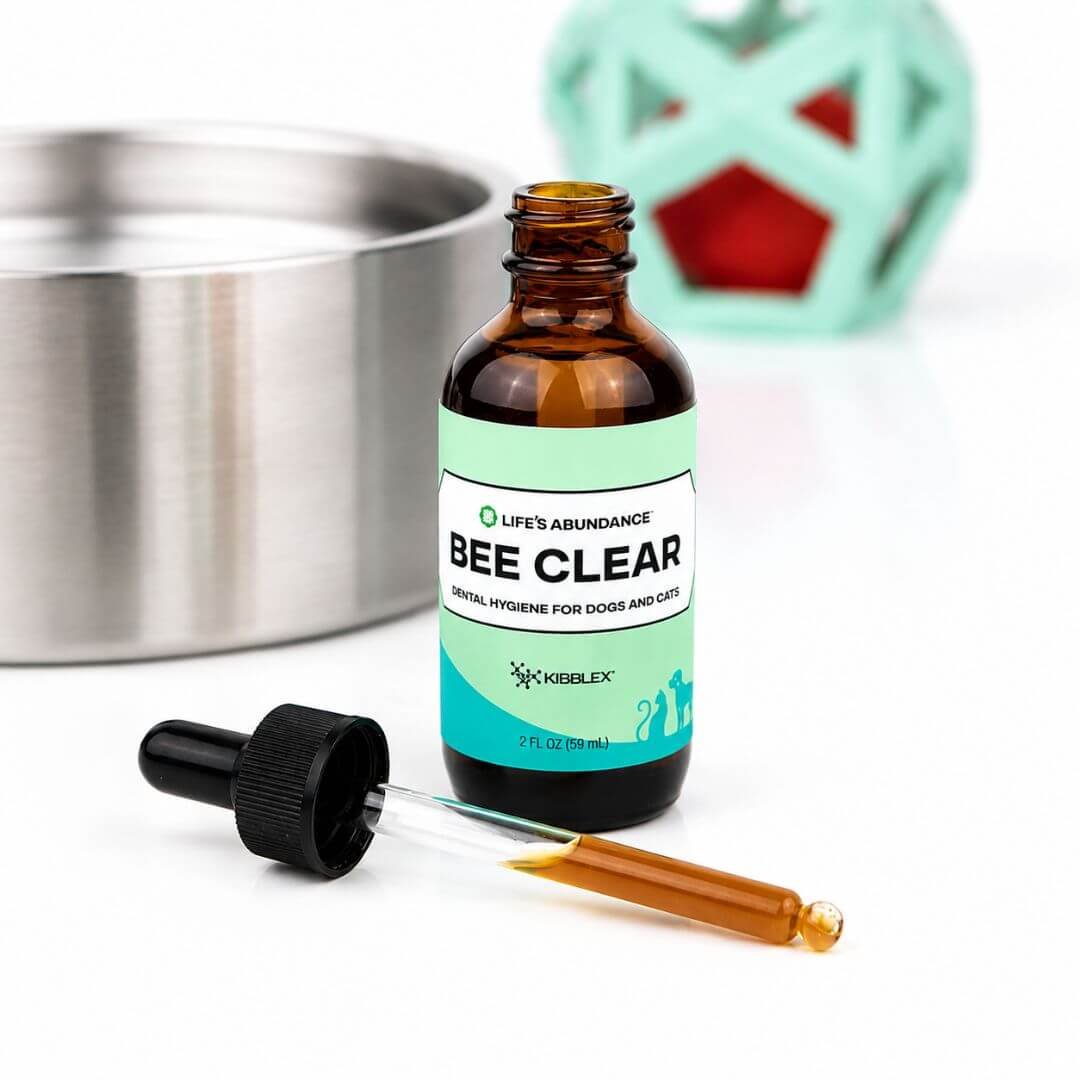
A friend mentioned Bee Clear Dental Hygiene and I was curious. She had used it on her own dog for months. I talked to other owners too and read reviews before trying it myself.
Three weeks after starting Bee Clear, the yellow film had faded, just like that! What a relief when the vet said her teeth looked clean.
The Slow Problem Most Pet Owners Don’t Catch Early
Nobody wakes up thinking about their pet’s teeth. Life gets busy. Walks happen. Meals happen. Teeth just sit there in the background, until one day they don’t.
That’s the tricky part about dental problems. They don’t show up all at once. A little bad breath here. A little extra chewing there.
Easy to miss, easy to explain away, until a vet points at something and says it’s been building for months.
I talked to a lot of pet owners while writing this and almost everyone had a version of the same story.
They noticed something small. They told themselves it was nothing. Then a checkup revealed how much had actually changed underneath.
Let’s notice what to watch for, based on what vets flag most often.
Warning Sign
What This Signals
Bad breath
Bacteria buildup in the mouth
Yellow film on teeth
Early plaque formation
Brown crust near gums
Hardened tartar
Red or swollen gums
Gum inflammation
Pawing at the mouth
Pain or discomfort
Dropping food while eating
Sore or loose teeth
None of these shows up overnight. They build slowly, quietly, over weeks and months.
Your pet can’t point to their mouth and tell you something hurts. They just chew a little differently, or go a little quieter around mealtime. Still, most owners chalk it up to nothing.
That’s exactly why daily dental care matters so much. It’s not about fixing a big problem later.
It’s about catching the small signs early, before they turn into something painful and expensive.
What Bee Clear™ Dental Hygiene Does Inside the Bowl
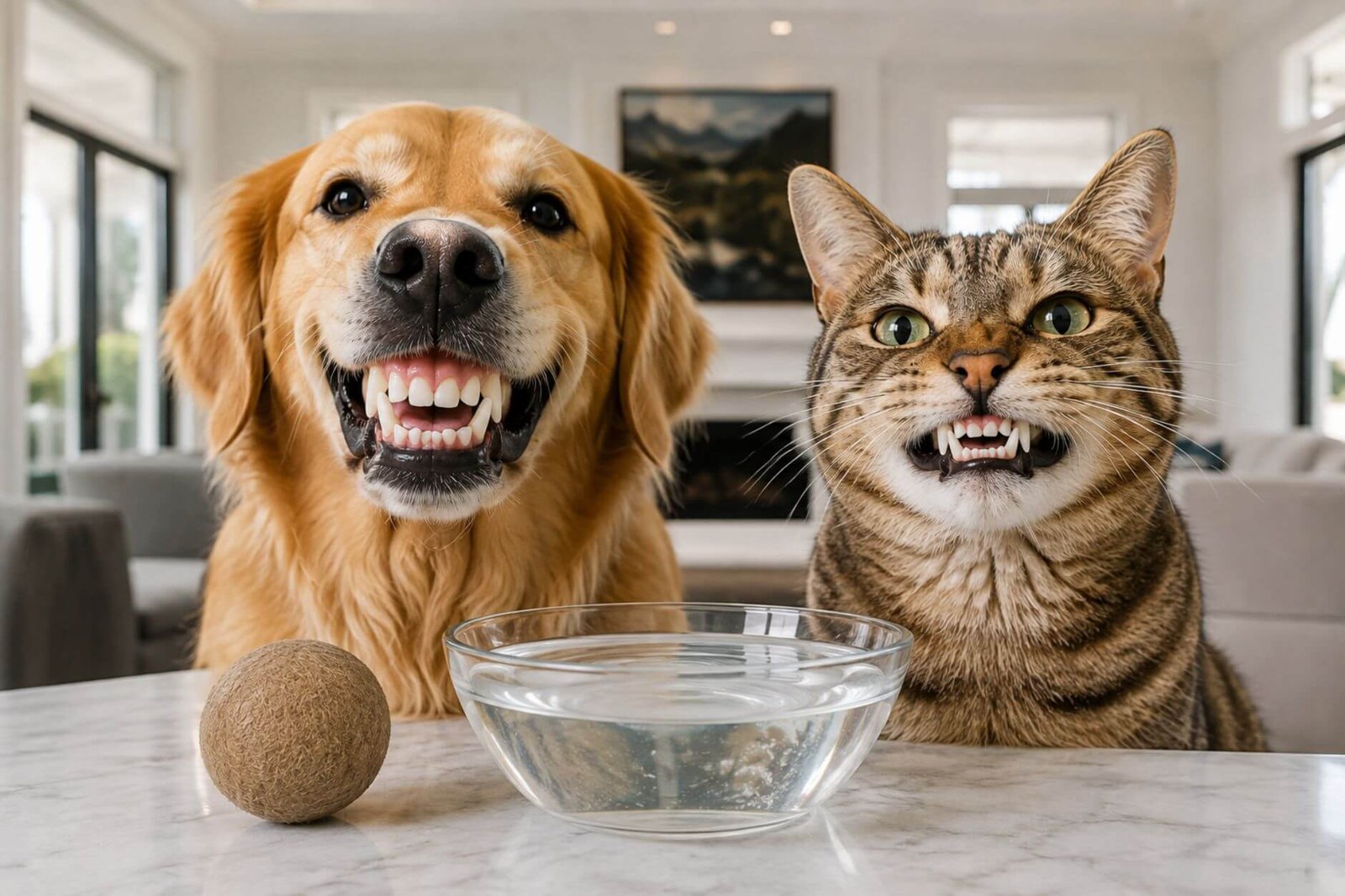
Here’s the part I found hardest to believe at first. This isn’t a toothpaste. It isn’t a chew. It’s just water, with a few drops added, sitting in the same bowl your dog already drinks from every day.
No fighting. No forcing her mouth open. No holding her still while she squirms away. She just drinks like she always does and the work happens on its own.
I wanted to understand how something this simple could actually help. So I looked into what’s going on inside that bowl.
It turns out the formula handles two jobs at once, working from two different angles instead of just one.
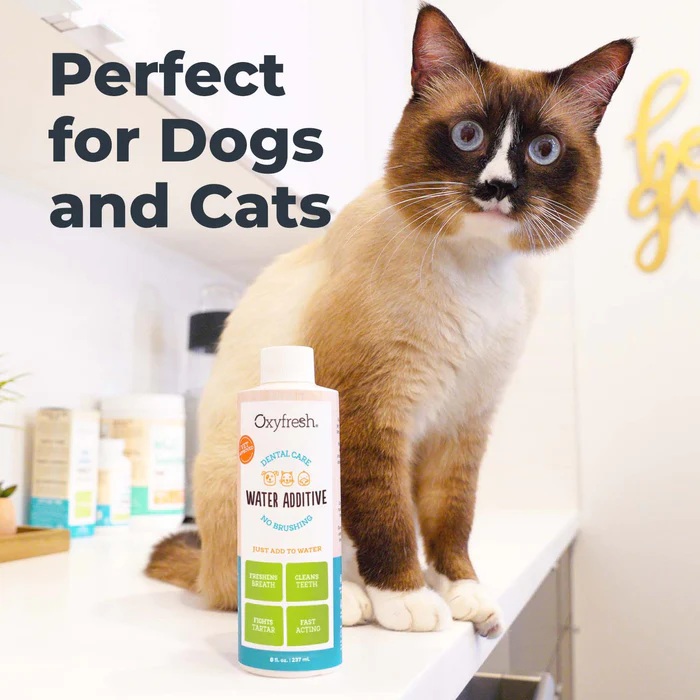
Bee Clear™ Dental Hygiene for Dogs and Cats works as a two-part system inside your pet’s water bowl.
Action
What Happens
Step One
Breaks down existing plaque and bacteria on the teeth
Step Two
Builds a protective layer to block new buildup
Bonus Effect
Supports balanced pH inside the mouth
Bonus Effect
Freshens breath naturally
That combination matters more than it might seem at first glance. Cleaning up existing plaque helps right now.
Blocking new buildup protects tomorrow. Most routines only handle one side of that equation.
They brush away today’s mess. But they do little to stop tomorrow’s mess from forming.
The ingredients behind it lean toward the natural side rather than the harsh. Bee propolis extract sits at the center of the formula, alongside yucca extract and a gentle blend of supporting ingredients.
Nothing here is meant to overpower your pet’s senses either. It carries no added flavor. So even the pickiest drinkers accept it without a second thought.
A Closer Look at the Formula
I’ll admit something. Before trying this, I read the ingredient list twice. Anything going into my dog’s water every single day deserved that much attention from me.
What I found actually put me at ease. No long chemical names I couldn’t pronounce.
No vague “proprietary blend” hiding what’s really in the bottle. Just a short list of ingredients, each one doing a clear job.
Transparency matters when something goes into your pet’s water every day. Let’s see what makes up the formula.
Bee propolis does the heavy lifting here, going after plaque directly. Everything else supports it quietly in the background, from comfort to preservation to keeping the pH where it should be.
What stood out most to me was what wasn’t on this list. Nothing on it requires a prescription. Nothing demands a vet visit before you start.
I didn’t need to call anyone. I didn’t need to wait for approval. I just opened the bottle and started using it.
That simplicity made the whole thing feel far less intimidating than I expected. It’s probably why so many pet owners stick with it long after the first bottle runs out.
How to Use Bee Clear™ Dental Hygiene the Right Way
This part worried me more than it should have. I kept picturing myself measuring drops with shaky hands, getting the math wrong, second-guessing every refill.
It turned out to be nothing like that. The dosing bends around your pet, not the other way around.
A small cat needs less. A large dog needs more. There’s no single number to memorize, just a simple range based on size.
Dosing stays flexible based on your pet’s size and how much water they drink.
Pet Situation
Drops Per Day
New to the product
1 to 2 drops
Small pets, regular use
4 to 6 drops
Larger dogs, regular use
6 to 10 drops
Maximum daily limit
20 drops
I started low, the way most people do the first week, just to see how she took to it. Once I knew she drank it without any fuss, I moved up to a regular daily amount and stopped thinking about it much after that.
A few small habits make the routine work better. Shake the bottle well before each use, since the ingredients can settle. Mix fresh water with the additive and use it within 24 hours, rather than letting it sit for days. And one detail I learned the hard way.
This additive doesn’t work well in pet water fountains. Stick to a still bowl, the same one your pet already drinks from.
How to Build a Full Routine Around Daily Care
Dental care for pets works best as a layered habit, not a single fix. Think of it the way you think about your own oral care. You don’t rely on mouthwash alone. You brush, floss and rinse together.
Let’s meet a simple weekly plan many pet owners follow.
Frequency
Habit
Daily
Water additive in every bowl refill
Daily
One dental treat or chew
Once or twice a week
Brushing with pet-safe toothpaste
Monthly
Quick gum and breath check at home
Yearly
Full dental exam at the vet
Notice where the water additive sits. Right in the daily column. It asks for almost nothing. Yet it covers the gap between brushing sessions, which most pets never get every single day anyway.
45 Years of Siamese, One New Habit
I met a woman last spring who has raised Siamese cats for over 45 years. She told me this breed fights plaque harder than most.
At her cat’s checkup around age four, the vet spotted early gum irritation. Nothing serious yet. Just a clear warning.
Instead of waiting for a full cleaning, she tried something new. She added Bee Clear™ Dental Hygiene for Dogs and Cats to her cat’s water bowl every day. No brushing fights. No forcing pills. Just fresh water with a few drops mixed in.
Within a few weeks, the plaque along the gum line looked lighter. Her cat’s breath smelled fresher too.
She still keeps up with yearly vet visits. But she says the daily habit made those visits far less stressful.
A dog owner I met at the park shared a similar story. His Labrador mix loved treats but hated the toothbrush.
Every walk ended with the same complaint from his kids. Bad breath, up close, every single time.
He started mixing the same water additive into his dog’s bowl before every refill. He didn’t change anything else about his routine.
Three weeks later, his vet mentioned noticeably less tartar during a checkup. He didn’t expect such a small habit to matter that much.
Stories like these repeat once you start asking pet owners about their routines. A small daily step, kept consistent, adds up fast.
When Genetics Play a Bigger Role
Not every pet starts from the same place. I spoke with someone who has adopted many rescue cats over the years. Some of her cats never lost a single tooth. Others lost several by midlife.
She said genetics play a big part, especially with strays who arrive already carrying years of decay.
She leans on her vet for guidance, including full bloodwork before scheduling any dental cleaning.
She added a water additive to her routine too, alongside her vet’s plan and noticed steadier results between checkups.
This matches what most vets say. No product replaces professional care. But daily habits support whatever plan your vet sets for your pet.
Why Vet Visits Still Come First
Nothing here replaces a checkup. Your vet spots things you and I never could. Loose teeth. Hidden infections.
Bone changes under the gum line. A yearly exam catches problems early, before they turn into painful, costly emergencies.
Daily care and vet visits work as a team. One handles everyday maintenance. The other catches what needs professional attention.
Bee ClearTM Dental Hygiene fits into that first role well, supporting your pet between checkups instead of replacing them.
General Guidelines for Long-Term Oral Health
Save this checklist for quick reference.
Brush your pet’s teeth once or twice a week with pet-safe toothpaste.
Add a water-based dental additive to every bowl refill, daily.
Offer dental chews or treats made for oral support.
Watch for warning signs like bad breath, drooling, or pawing at the mouth.
Book a yearly vet exam and follow through on recommended cleanings.
Remember that genetics affect dental health, especially in rescued or older pets.
Stay patient. Meaningful change takes weeks, not days.
Final Thoughts
Your pet can’t tell you when their gums hurt. They can’t ask for fresher breath or explain why chewing feels different lately. That responsibility falls on you.
I think back to that morning with my dog often. A small, easy-to-miss sign led me to a habit that changed his checkups completely.
The stories above share that same thread. A small daily habit, repeated without fail, changed the outcome for each pet.
Dental hygiene for dogs and cats doesn’t need to be complicated or stressful. Adding Bee Clear™ Dental Hygiene to the daily water bowl takes seconds.
Indeed, it builds toward cleaner teeth, fresher breath and calmer vet visits over time. So, start today. Fill the bowl. Add the drops. Let your pet do the rest.
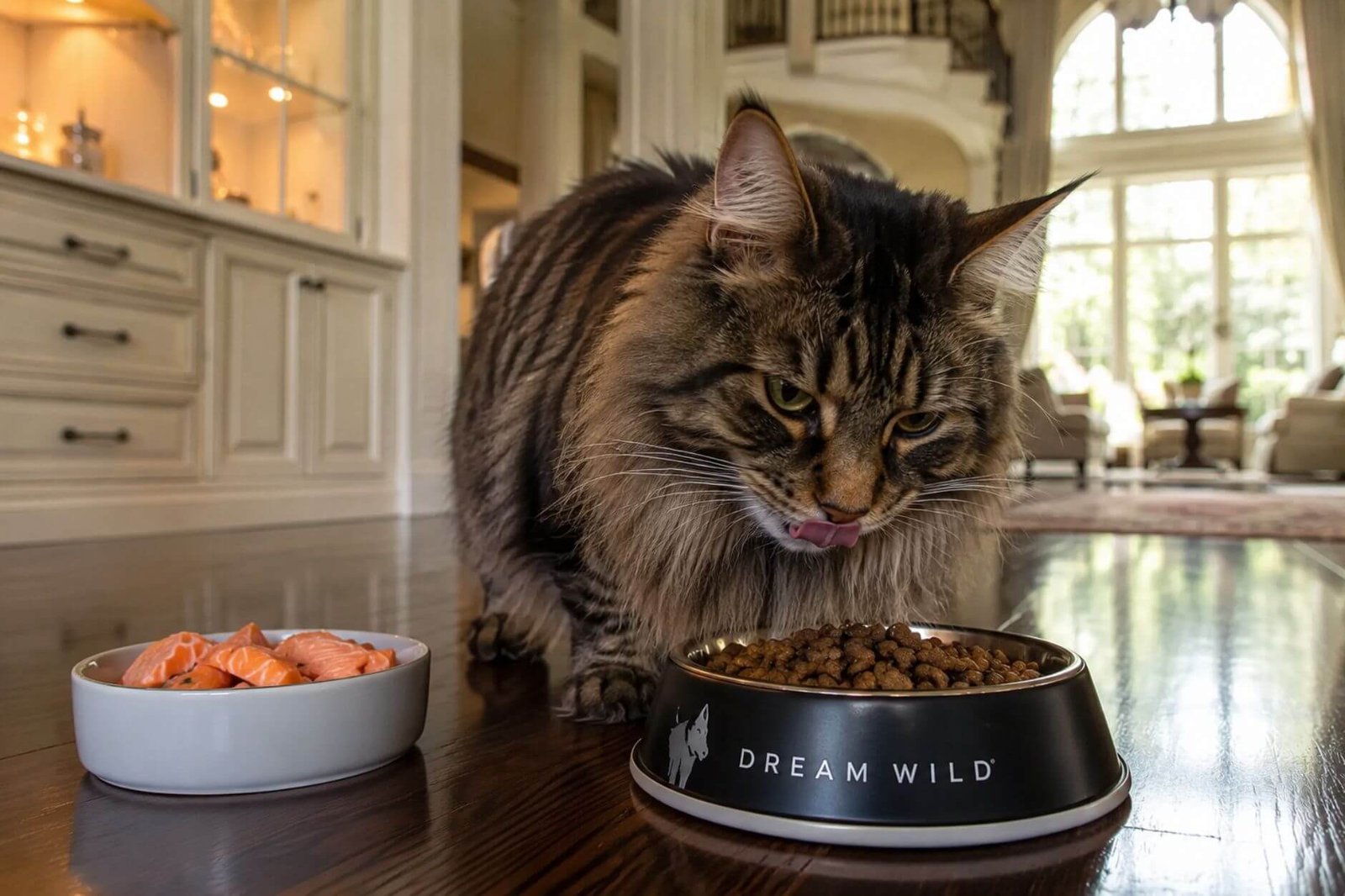
Her cat loved fresh-cooked salmon. Out of curiosity, she set two bowls side by side. One held her cat’s usual salmon and the other held Dream Wild cat food.
Her cat walked past the salmon without a look. It went straight for the Dream Wild bowl. It finished fast, then nudged the other bowl aside.
The owner watched closely for days. She checked for stomach upset. She checked appetite. She checked energy. Nothing changed except one thing. Her cat got more excited at mealtime.
Why Dream Wild Fish-Forward Cat Food Is Superior
Most bags say “salmon” on the front. Flip them over and salmon often sits fourth or fifth on the list, buried behind grains and fillers.
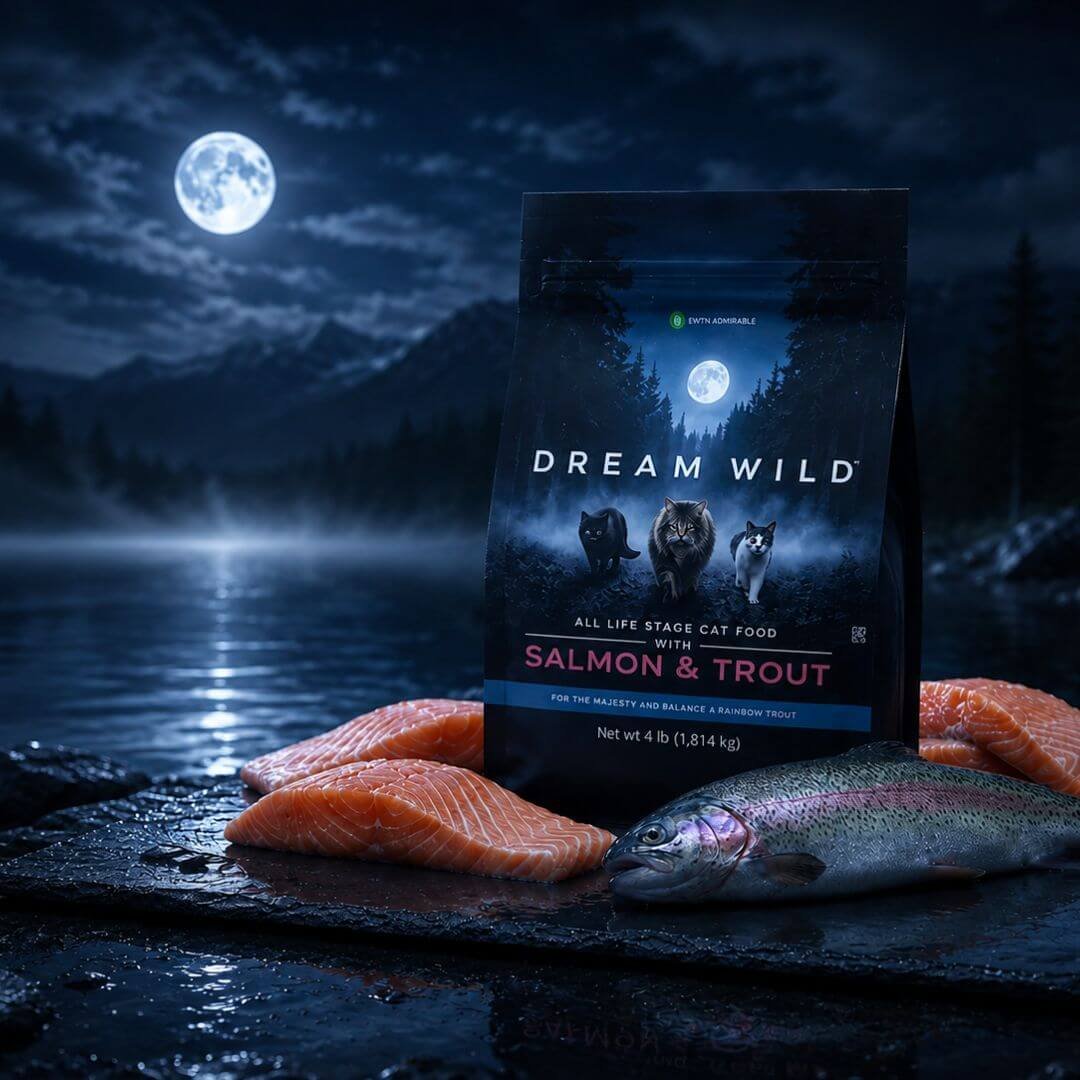
But Dream Wild™ All Life Stage Cat Food Salmon & Trout does something different. Salmon and trout lead the recipe.
Four more fish follow behind them. That gives a cat a wider range of flavor. It also brings a broader mix of amino acids than one fish alone could offer.
Cats are obligate carnivores. That’s not a marketing phrase. It’s biology. Their bodies run on animal protein, not plant protein dressed up to look like meat. A six-fish blend respects that.
Top Ingredients in Dream Wild All Life Stage Cat Food
A long ingredient list is hard to read at a glance. Here are the ingredients doing the most work in this formula.
Salmon. The lead ingredient. It provides high-quality animal protein and natural fat.
Rainbow trout. The second named fish. It adds more protein diversity from the start.
Catfish meal and whitefish meal. Concentrated protein sources. They boost protein without adding extra moisture.
Herring meal. Another named fish source. It adds more omega-3s.
Peas and lentils. Plant-based fiber. They replace grain without using empty starch.
New Zealand green mussels. A natural source of nutrients that support joint comfort.
Taurine. Added directly to support heart and eye health.
Cranberries, blueberries and pumpkin. Whole foods that bring natural antioxidants.
These ingredients set the tone for the rest of the bag.
Nutrition Facts for Dream Wild Cat Food Salmon & Trout
Numbers on a label can feel abstract. Let’s learn what they mean for your cat’s daily bowl.
42% percent protein sits well above what many dry cat foods offer. That matters for active cats. Muscle loss becomes a bigger concern with age, not a smaller one.
Essential Nutrients in This All Life Stage Cat Food
Some nutrients a cat’s body makes by itself. Others it cannot, no matter how well it eats otherwise.
Taurine sits at the top of that list. A shortage can quietly damage a cat’s heart and eyesight over time.
Symptoms often don’t show up until the harm is done. That’s why quality cat food adds taurine back in.
Omega-3s work the same way. A cat’s body converts plant sources poorly. Fish-based omega-3s get used directly. They support a healthy coat and joints that move easily.
Dream Wild builds both into the formula at guaranteed levels. Not as a vague claim on the bag.
Digestive Support Built Into Dream Wild Cat Food
Cat owners focus on protein and fat first. Gut health rarely comes up. But it affects how well a cat absorbs everything else in the bowl.
This formula includes four probiotic strains. Each one supports a different part of digestion. Paired with prebiotic fiber, it helps keep a cat’s gut balanced.
This matters most during a food switch. That’s exactly when a cat’s stomach is most likely to react. It’s one reason Dream Wild™ All Life Stage Cat Food Salmon & Trout tends to transition smoothly.
Why This All Life Stage Cat Food Works for Every Cat
Kitten food. Adult food. Senior food. Most brands split their lineup by age. That works fine with one cat.
It gets complicated fast with more than one. Dream Wild meets AAFCO standards for all life stages. One bag covers a kitten, an adult and a senior cat under the same roof.
That removes a lot of guesswork for multi-cat homes. No awkward switch when a kitten grows into an adult cat.
Grain-Free Salmon & Trout Cat Food, Explained
Grain-free labels are everywhere now. Not all of them mean much. Some brands swap grain for cheap starch instead. Dream Wild takes a different approach.
It replaces grain with peas, lentils, sweet potato and pumpkin. These aren’t filler swaps.
They bring their own fiber and nutrients. They also avoid grain sensitivities that show up in some cats as they age.
Signs of a grain sensitivity aren’t always obvious. Itchy skin. Loose stool. Low energy. All of these can trace back to grain in the bowl.
A grain-free formula won’t fix every issue. But it removes one common cause from the list.
How to Switch Your Cat to Dream Wild Cat Food
Cats resist change, even good change. A slow switch avoids most stomach trouble.
Mix a small amount of the new food into your cat’s current food.
Increase that amount over five to seven days.
Watch appetite and energy the whole time, not just the first bowl.
Keep fresh water available throughout.
Most cats settle in within a week. Older cats sometimes need longer. Going slow makes it easier on everyone, cat included.
Dream Wild Salmon & Trout Bag Sizes and Feeding Guide
Dream Wild comes in three sizes, each shipped as multiple 4 lb bags to lock in freshness.
Bag Size
Shipped As
4 lb
One 4 lb bag
8 lb
Two 4 lb bags
16 lb
Four 4 lb bags
Feeding amounts depend on weight and life stage. Let’s look at the chart:
Cat Profile
Daily Amount
Adult, 5–10 lbs
½ – ⅔ cup, split into 2 meals
Kitten, 5–10 lbs
Slightly more than adult amount
Adult, over 15 lbs
Add ¼ cup for every 5 lbs over 10 lbs
Treat this chart as a starting point. Adjust based on how your cat looks and feels.
Tips for Choosing the Best Cat Food for Your Cat
Not every bag on the shelf deserves a spot in your cart. These habits help separate a solid formula from a flashy label.
Check the first three ingredients. Named proteins like salmon, chicken, or turkey should lead the list, not corn or generic meat meal.
Look for a life stage statement. The bag should state which AAFCO profile it meets.
Watch for added taurine. Not every brand guarantees it on the label.
Favor named fat sources. “Chicken fat” tells you more than “animal fat” ever will.
Look past marketing claims. Words like “premium” aren’t regulated terms.
Introduce new food slowly. Even a strong formula can upset a cat’s stomach if rushed.
Watch your cat, not just the bag. Coat, energy and stool tell you more over a few weeks than any label tells you on day one.
These habits work for any bag, not just this one.
More Cat Owners Trying This Salmon & Trout Cat Food
I talk to cat owners often. So, the Maine Coon story wasn’t the only one. A Siamese owner told me her cat skipped its favourite grilled tilapia in favour of Dream Wild.
A Ragdoll owner said her usually picky cat now runs to the bowl before it even hits the floor. Different cats, different homes, same reaction every time.
The Bottom Line
Cats don’t fake excitement. When a cat walks past a favorite meal for something new and keeps choosing it days later, that’s worth noticing.
Dream Wild™ All Life Stage Cat Food Salmon & Trout isn’t built around one fish and a nice photo.
It’s built around six named fish sources, strong protein levels and nutrients cats need but often don’t get enough of.
Every cat has its own preferences. Results will differ from home to home. But if your cat has been picky lately, this one is worth watching closely for the first week. That first reaction at the bowl usually tells you most of what you need to know.
We provide outstanding one-on-one customer service. We want you to be as satisfied as possible before, during and after your purchase. Plus, we treat people the way that we want to be treated – with a personal touch. So know that we are here to answer your questions and assist in any way that we can.
QUALITY & SAFETY
We’re very picky about the products we recommend and only offer products we believe in, made by companies we trust. So we guarantee your satisfaction. If you’re not 100% satisfied, we’ll refund your money!
HEALTH & WELL-BEING
Healthy Food for Pets is passionate about pet health. We CARE about your pet’s health and are dedicated to offering only all natural, holistic and high quality pet care products that enhance the health of animals. Our top priority is your pet’s health!
Proudly recognized as a Best of 2025 & Best of 2026 Award Winner
My puppy Buddy, loves the kibble more then anything else we have given him in the past. Also he has a normal bowel movement and we are so happy that just within a weeks time he doesn’t have anymore gas problems. Now the only problem we have is he makes a mess on the kitchen floor….God bless him. I will be ordering more in the future. ”