
Shop
Healthy Food for Pets


Hot

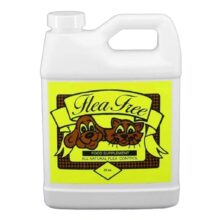
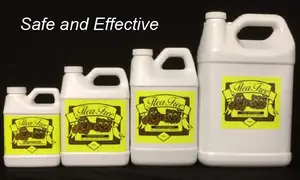
Flea Free Food Supplement – 16, 32, 64, & 128 oz
Price range: $18.95 through $75.95Hot

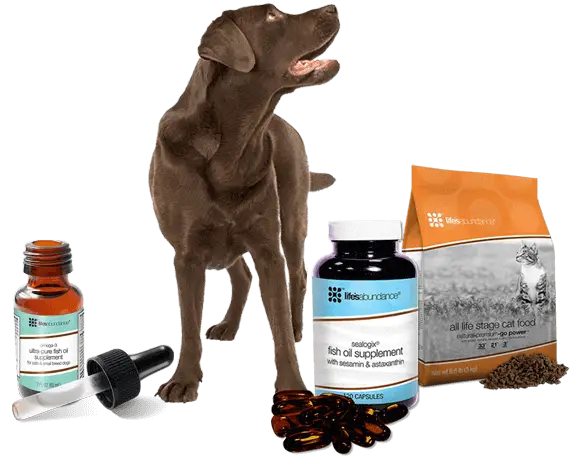
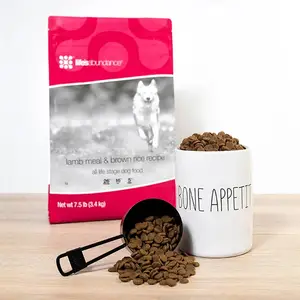
Life’s Abundance Dog Food
$13.18Hot
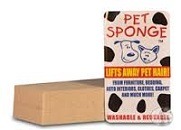
Pet Sponge
$9.99
Hot
All Life Abundance Stage Cat Food
Original price was: $13.76.$12.66Current price is: $12.66.
Have you noticed all those dog food brands out there that now have pictures of wolves on their bags of Read more

Oh, how I hate to see foxtail grass! The plant itself has a certain beauty, but it can wreak havoc Read more
Here's How They Do It: Chemical flea pesticides are "neurotoxins", and they work just as their name implies. They're toxic Read more

They say 52 days is a year in a dog's life. That means time flies with your furry companion, spend Read more
Checking for ticks should be a daily routine if your dog spends a lot of time outdoors. Here are some Read more
If your dog or cat has frequent diarrhea, bloating and gas, accompanied by uncontrollable weight loss, there are a number Read more

Have you noticed all those dog food brands out there that now have pictures of wolves on their bags of food? It’s a great “appeal to nature” marketing technique because there are so many who believe that dogs evolved from wolves and should therefore eat the same diet.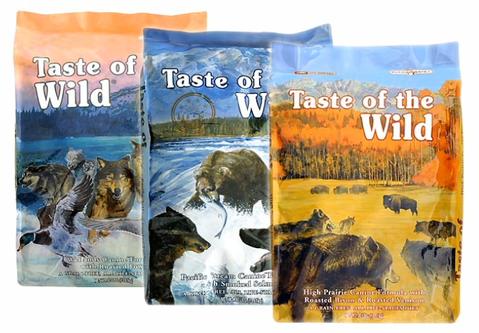
But should dogs eat the same diet as wolves? Research and common sense suggests that they shouldn’t. Here’s why.
Scientific research suggests that dogs did not evolve from wolves:
Evidence gathered by an international team of scientists suggests that dogs did not evolve from wolves. (Findings can be found in PLoS Genetics.) These researchers looked at genome sequences from gray wolves in the three countries where dogs are believed to have originated: China, Croatia, and Israel. They did not find any clear evidence that linked dogs to any of the living wolves that were sampled, and their research showed that dogs are more closely related to each other than they are to wolves.
Based on their findings, they now believe that dogs and gray wolves share a common ancestor in an extinct wolf lineage that lived thousands of years ago. There does exist some genetic overlap between wolves and modern dogs, but scientists believe this is due to interbreeding after dogs were domesticated and not due to a direct line of descent from one group of wolves. Furthermore, the lead author of the study suggests that the earliest dogs might have started out among hunter-gatherers before adjusting to an agricultural life later.
Dogs have different digestive systems than wolves:
Dogs are a separate species, and their digestive systems are different from wolves. When you compare the digestive enzymes in a wolf’s mouth and a dog’s mouth, a dog has much more
salivary amylases. (Amylases begins the digestive process by breaking down starch when they chew food, and they convert it into maltose, a smaller carbohydrate.) Research has also
found that dogs produce a type of maltase that differs from that produced by wolves. By having maltase, dogs share similarities with omnivores and herbivores.
What does this mean? Dogs’ saliva is intended to digest starches in a way that wolves’ saliva is not. So, dogs CAN digest starches and grains. And this elevated ability to digest starches and grains means that domestic dogs are quite different in the type of diet they can eat and thrive from.
Just how nutritionally sound is a wolf’s diet?
Another point to consider is that the diet of a wild wolf (or canine if you choose to feed the same diet as that of a wolf) is not very nutritionally sound. Wolves eat what they can find,
and that might not be the healthiest diet. They may starve for several days or even weeks and then eat anything they can find, even if it’s infected with parasites, rancid, and rotting. Plus, they may suffer from injuries when devouring their meals such as cracked teeth, which can become seriously infected. It’s not surprising that wolves die young, with an average 6 to 8 year old lifespan.
When searching to find the best possible diet for your dog, keep in mind that basing your decisions on what a wolf would eat in the wild, or what is more “natural”, is not the best choice. I bet a wolf’s diet would be different from what it eats in the wild if it were given a choice to eat high-quality, fresh and nutritious food!
Also realize that there is not one certain diet that every dog can thrive on. Dogs have different
nutritional requirements based on factors such as, energy level, metabolism, health, and genetics. Limiting your dog’s diet by feeding a “wolves” diet isn’t necessary and can even be
potentially harmful.
So should dogs eat like wolves?
Based on the fact that research suggests dogs did not evolve from wolves, that dogs cans digest starches and grains, and that a typical wolf’s diet is not very nutritionally sound, it doesn’t seem to make much sense to feed dogs the same diet as wolves.
A nutritionally sound diet that supplies dogs with a wholesome, healthy and satisfying diet makes much more sense.
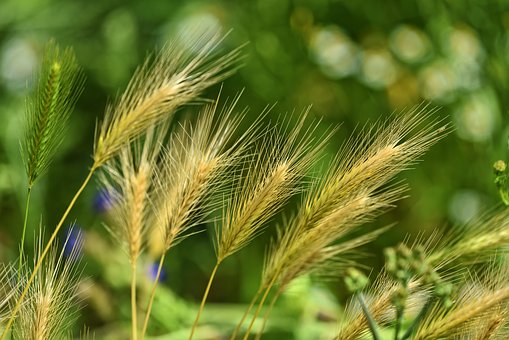
Oh, how I hate to see foxtail grass! The plant itself has a certain beauty, but it can wreak havoc for your dog and for your pocketbook. And that was certainly our experience!
We had two German Shorthaired Pointers (Moe and Larry – and our cat was named Curly – a side note for you Stooges fans!) They were typical Pointers who loved to explore and poke their heads and bodies in places they should have stayed far away from! Living in Southern California, we had a lot of foxtails, and every year Moe and/or Larry would end up having to go to the vet due to foxtails invading their bodies – either entering their ears making them shake ferociously or in their nostrils making them sneeze and feel miserable.
Our vet loved Moe and Larry! (He actually did, but we used to joke with him and tell him that our dogs’ adventurousness must have paid for the remodeling of his vet office!)
So, what is foxtail grass?
Foxtail grass is a grass usually thought of as a weed. It can grow up to three feet tall and can branch out and spread at ground level. Its leaf blades are 4 – 15 inches long, and its flower heads are dense spikes with yellow to red, purple or green bristles. When a foxtail matures, seeds that are very hard and tipped with a sharp point appear at the top of the stalk. These bushy seeds are the reason the plant is named “foxtail”.
How do foxtail seeds create so many problems?
Mother nature ensures that the plant reproduces by allowing the seeds to easily detach from the plant. These pesky seeds then oh so easily cling to all kinds of things, including your dog’s fur and hair. And since the seeds move forward, they can penetrate the skin. Ugh!
If the seeds go into the ears, eyes and nose, it can be very serious and even life threatening. But the seeds can also go into other body parts. They’ve been found in the anal glands, urethra, vagina, spinal cord, and even the brain. Plus, the seeds can enter through open wounds.
How do you know that foxtail seeds have invaded your dog?
Since foxtail seeds are tiny and can be hard to see, veterinarians usually diagnose according to symptoms.
When a foxtail enters the nasal cavity, it makes a dog violently sneeze, and your dog may even hit his nose on the floor. If there’s a bloody discharge, it’s more than likely due to a foxtail seed.
When a foxtail seed enters the eye, your dog will paw at his eye, and the eye will water. If your dog’s eye is glued shut, it is probably caused by a foxtail seed.
When entering the ear, your dog will shake its head violently. Sometimes a dog squints and paws at his eyes or ears.
If the foxtail seeds enter the mouth, it can cause gagging or difficulty swallowing. The seed can also become caught between the teeth, in the gums or tongue, or back of throat.
If you see a lump on your dog’s paw or under the coat, it may be due to a foxtail seed. The lump may be painful to the touch. Also, your dog may rub his head on the ground and go around in circles. He may also lick or bite at the body part where the foxtail seed entered, or he may yelp for no obvious reason.
Be sure to take your dog to your veterinarian as soon as possible when you suspect foxtail seeds may have penetrated into your dog. These seeds can cause fatalities if they reach internal organs, so please do not try to treat your dog by yourself.
How can you prevent foxtail seeds from causing your dog havoc?
- Get rid of it! If you have foxtail grass in your yard, pull up the plant by its roots as soon as you see its plumes appear in the spring. Don’t composte because the seeds can often survive. Instead, dispose of the entire plant. Warning: Don’t use a string trimmer because you could disperse seeds onto your yard. And if you must use a mower rather than pulling up the plant by the roots, use a grass-catcher.
- Avoid taking your dog to places where you know foxtail grows, such as parks or other recreational areas.
- Always inspect your dog’s coat after walking in grassy areas. Pay close attention to his eyes and ears and between his toes.
- Consider pet health insurance or a health savings account for your dog. If you live in foxtail territory, this can help with expensive vet bills.
Here’s How They Do It:
Chemical flea pesticides are “neurotoxins“, and they work just as their name implies. They’re toxic to the nerves.
They cause neurological damage and disease by placing toxins into your pet’s bloodstream. (And into our children’s bloodstreams when they touch the area where the treatment was just applied.)
When insects or parasites bite your pet, they ingest the toxins which causes them to die. But the same toxic effects that kill the insects can cause serious health problems for pets: seizures, allergies, cancer, and numerous other diseases that are increasing at an alarming rate in the US.
And recent research suggests that life expectancy is reduced by 25% in those animals treated.
Plus, every year chemical products become stronger & more aggressive in order to foil the parasite’s ever increasing resistance to chemicals. Stronger chemicals have to be applied to destroy these pesky critters, resulting in increasing danger to your pets.
That’s why holistic veterinarians and other pet professionals advise using a chemical free flea prevention product.
For more information about chemicals used in commercial flea and tick products, click here.
A Healthy Alternative

Flea Free and Fly Free Food Supplements are a safe way to control pesky insects. Give Flea Free to cats, dogs, birds and other small pets, and give Fly Free to larger animals, such as horses, alpacas, goats, cows, etc.
It’s the natural way to eliminate fleas and other blood-feeding insects (including mosquitoes, biting flies, mites & lice) that carry germs and parasites – without poisoning your pets and your environment!
Flea Free and Fly Free Food Supplements:
- Control fleas and other blood sucking insects!
- Contain NO chemicals!
- Cost LESS than commercial products!
- Enhance health with vitamins, minerals, amino acids & enzymes!
Here’s what one of many satisfied pet owners had to say:
” Hi, I have a small flock of chickens that became infested with mites. The mites were even under the scales on their legs and feet. I powdered them over and over, bug bombed the coop and did everything I could think of to get rid of the mites. I put petroleum jelly on their legs to smother the mites, I even flea bathed them. All the pesticides made matters worse because they were injesting it as they picked at the mites. It was bad. The chickens were sick, anemic and miserable with the itching and their feathers were matted with runny feces. A couple of them died, either from the mites or chemicals I was using. I thought I would have to have them all killed to put them out of their misery.
I found your website while researching for chemical-free alternatives. I tried the flea free and within a couple of weeks the chickens were looking and acting a lot better. They are now mite free, healthy and have thick, beautiful, clean feathers. A year later I still use it as prevention, I don’t want a repeat.
Thought you might be interested to know that flea-free isn’t just for your four-legged friends.
Thank you, Conner Bell”
Click here to read more experiences others have had with Flea Free & Fly Free!
Receive a FREE 4 oz. bottle of Nature’s Way Insect Spray when ordering Flea Free Food Supplement or Fly Free Food Supplement!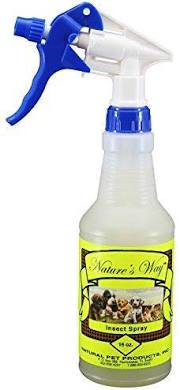
Just write “Insect Spray” in the comment section on the ordering page, and we’ll send it along with your Flea Free or Fly Free.
Containing only non-toxic ingredients, Nature’s Way Insect Spray is:
- So effective that it lasts for hours!
- For dogs & people too!
- Great for sports enthusiasts when golfing, fishing, boating, hunting and also joggers, campers, sunbathers on the beach or around the pool!
Click the following links to learn more about other non-toxic Flea Free Products.
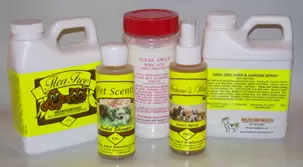
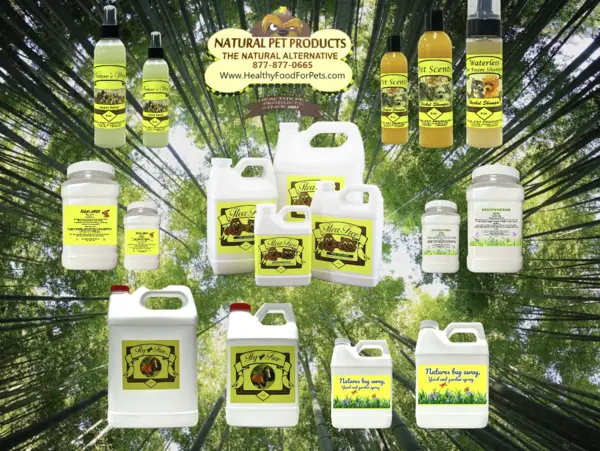
- Pet Scents Herbal Shampoo
- Nature’s Way Insect Spray
- Fleas Away Boric Acid Carpet Treatment
- Organic Yard & Garden Spray
- Tick Key
- Fly Free Garlic Powder
- Herbal Fly Spray with Aloe
- Fur Foam Waterless Shampoo
Value Packs:
We also have six Value Packs. One is great for pets who hate baths since it contains the Herbal Scents Waterless Shampoo. Provides all you need to beat flea infestations at a discounted price.
Click here to look at Value Packs.
They say 52 days is a year in a dog’s life. That means time flies with your furry companion, spend that time wisely. Go for long walks, throw the ball one more time when your arm gets tired, and don’t skimp on the treats. Then, when the time comes when your buddy walks a little slower or sleeps a little longer, look to PetAlive by Native Remedies to make your dog’s glory years the best of their life.

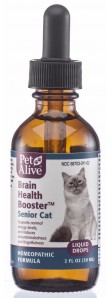
Thanks to their NEW Homeopathic Brain Health Booster for Senior Dogs, you can help reduce symptoms of cognitive decline associated with canine aging and encourage a more alert mind and less mental confusion. Take out the stress of medicine with this liquid formula and add it to wet food or a treat for convenience.
The same goes for fluffy too! PetAlive offers the same Homeopathic Brain Health Boosters for Senior Cats to make sure you get to hear that soothing purr even longer. While cats are living longer these days with advances in veterinary medicine, thanks to the Western lifestyle and processed pet foods, older cats are becoming more prone to ill health in their senior years. With the help of the brain booster formula, you can support normal energy levels and reduce confusion and memory problems.
These Brain Health Boosters are crafted of safe, effective, and natural ingredients that are side-effect free without the risk of addiction. Be sure to check out these boosters, and other amazing pet products, at Pet Alive and give your furry family member the golden years they deserve.
You can also save 15% OFF + FREE Shipping when you spend $60 or more! Just use code HEALTHYPET15 at checkout.
Brain Health Booster for Senior Dogs at PetAlive.com!
Save 15% And Get Free Shipping When You Spend Over $60 At PetAlive.com
Checking for ticks should be a daily routine if your dog spends a lot of time outdoors. Here are some tips on how to find ticks and then safely remove them.
When looking for ticks on your dog, it’s easy to overlook them because they are so small, and their bites don’t itch. So it’s important to check your dog routinely. Inspect his/her entire body and concentrate on warm, moist areas that ticks prefer, such as under collars and around the neck.
If you feel any lumps or bumps that are not nipples or skin growths that you were already aware of, look at the lumps with a magnifying glass to determine if they are ticks.
Once you find a tick, remove it as soon as possible.
-
Tick Removal Tool:
The safest way to fully remove a tick is by doing so with a tool specifically created to easily remove the ENTIRE tick – while not touching or squishing the engorged tick.
This is important because ticks carry diseases, including Lyme Disease and ehrlichiosis, among others. If the tick is squished during the removal process, the tick can vomit its stomach contents (which may contain dangerous pathogens) into your dog. This is the problem with using traditional removal methods, such as tweezers, lighted matches, etc. Also, while these traditional methods may successfully remove the tick’s body, they may not remove the head. So for the safety of your dog, it is vital to remove the ALL of the tick, not just part of it.
-
Hydrogen Peroxide:
Saturate a cotton ball with hydrogen peroxide, cover the tick with the cotton ball, and hold it there for a minute or two. When you remove the cotton ball, the entire tick, including the head, should have released itself from your dog. Three-percent hydrogen peroxide contains oxygen which destroys Lyme disease bacteria.
Since it is bleach, this method should not be used for dark-haired dogs.
How Not To Remove Ticks:
-
Don’t remove ticks with your fingers or with tweezers.
Pulling on a tick, even with tweezers, can tear the mouth parts from the body of the tick, and pathogens carried by the tick can be expelled onto your dog.
-
Don’t apply substances, such as petroleum jelly, fingernail polish remover, repellents, or a lighted match.
These can upset or harm the tick and almost always cause the tick to expel its stomach contents back into the host – your dog.
-
Don’t squeeze, crush or squash a tick.
This can force the tick to release disease-causing body fluids into your dog.

If your dog or cat has frequent diarrhea, bloating and gas, accompanied by uncontrollable weight loss, there are a number of possible causes. When health issues occur after your pet has been treated with antibiotics, there are chances that he has developed what is referred to as leaky gut syndrome. Leaky gut, also known as dysbiosis is a serious condition that can result to such complications as nutritional deficiency, respiratory difficulty, hyperactivity, etc. A proper understanding of leaky gut can help you take steps needed to improve your pet’s health and quality of life.
Leaky gut syndrome (dysbiosis) is a bacteria imbalance that leads to inflammation of the intestinal mucosa, resulting in a number of other serious problems. The condition has a strong relationship with immune system inefficiency and the development of chronic diseases.
The problem with dysbiosis is not the inflammation of the intestinal mucosa, but what happens afterwards. As with humans, the gastrointestinal tracts of dogs and cats are protected by a mucosal barrier. The majority of food nutrient absorption takes place in the small intestine, and the mucosal barrier ensures that only the tiny nutrients in the forms they are required in the body makes it into the bloodstream for distribution while undigested particles and pathogenic substances are prevented from being absorbed.
This part of the digestive tract is made up of a complex community of microorganisms, including friendly bacteria, in certain amounts considered normal and needful for proper digestion and absorption of food substances. Leaky guts happen as a result of imbalances in the makeup of this part of the GI system. The imbalances can happen as a result of gastrointestinal tract injury, exposure to toxins, infections, or overuse of antibiotics. In most cases, the good bacteria population is diminished while that of some bad bacteria and yeast increases. The situation leads to a compromise of the mucosal barrier, leading to an increased permeability of the intestinal walls.
With a compromised mucosal barrier, undigested food substances, antigens and other potentially toxic materials can get into the bloodstream and will be distributed to other parts of the body. Ideally, the immune system will respond to take care of the problem, but with the continuous invasion of unwanted materials into the bloodstream, it is always impossible for the immune system to fight effectively, and so much can go wrong from this point.
What causes dysbiosis?
In dogs and cats, there are some known contributing factors to the development of leaky gut, but the most common cause is antibiotic overuse. While treating some common problems in pets, some veterinarians rely heavily on antibiotics. These drugs are efficient, but they kill both the beneficial and the bad bacteria. When they are overused, they upset the natural balance of the microorganism community in the gut, and the friendly bacteria may be severely affected, leading to the weakening of the mucosal membrane. There are other drugs that have the same negative effect on the GI system such as corticosteroids, non-steroid anti-inflammatory drugs (NSAIDS), and some vaccines.
Aside from the drugs, other factors that can lead to dysbiosis are biologically inappropriate food containing too much grain; highly processed diet; food additives like dyes, preservatives, surfactants, emulsifiers and flavor enhancers; stress; ingestion of toxic substances; and parasitic infection.
Why too many pets are developing dysbiosis today
From all indications, the overreliance on antibiotics for treatment of pet infections by some veterinarians is responsible for the widespread of leaky gut. It is unfortunate that even very young animals are being administered these drugs almost abusively. The problem becomes worse when other medications that have the same potential of causing problems, such as corticosteroids are administered with antibiotics.
The type of diets dogs and cats are being fed is also a point of concern. They are mostly highly processed substances with so many additives and preservatives. The combination of plant protein and grain also results to diets that are hard to digest and assimilate.
In addition to the factors above, the busy world of today has increased environmental stressors not just for humans, but pets too. There are also some pet owners who lack proper understanding of how to keep their animals healthy and happy. With all these factors, it is not surprising that many pets suffer from dysbiosis these days.
Symptoms of leaky gut syndrome
At the initial stage, the major symptoms of leaky gut are bloating, diarrhea, and gas. Unexplained weight loss often follows in most cases. Since it meddles with the immune system, other conditions that can result include allergies, bad breath, behavioral abnormalities, cystitis, gum diseases, heart infections, respiratory difficulties like asthma, liver, gallbladder and pancreatic disorders, and seizure conditions.
Treatment of leaky gut
There are a couple of treatment options used by veterinarians to manage leaky gut syndrome. The approach the vet will adopt will depend on the condition of the animal as each case of dysbiosis is unique and demands personalized care protocol. Treatment will normally proceed in the form of gut intervention or change of diet. As has been stated above, the condition of the pet will determine how the veterinarian will intervene. A sudden change of diet or GI detox may aggravate the condition due to fragility of a pet in that condition.
The veterinarian will have to decide whether to start with dietary modification and healing the gut later or taking the opposite approach. In summary, the treatment is aimed at addressing food allergies and intolerance, taking care of any nutritional issues that might have been caused by the inefficiency of the digestive system, reducing inflammation of the GI tract, and ultimately healing the weakened intestinal wall and reestablishing the mucosal barrier.
Probiotics are very essential in the treatment of leaky gut syndrome. They help restore the condition of the gastrointestinal tract by improving the population of the friendly bacteria and reducing that of the bad bacteria and yeast: this helps in restoring the mucosal lining to the right condition.
Also, feeding a food that encourages a strong microbiome (the community of microbes in the gut) can help to heal the gut by fostering healthy digestion. Life’s Abundance spent years developing and testing an advanced gut health system. This system not only includes guaranteed probiotics, but also has a specialized proprietary prebiotic and fiber blend crafted to encourage a stronger, more diverse microbiome. It provides immune-boosting support, aids in the uptake of nutrients and fosters healthy digestion. You may want to consider this food, Lamb Meal & Brown Rice Recipe, for your dog, especially if there are digestive problems.